How Prophets Guide the Church in Truth
Walk into almost any church conversation about spiritual gifts for long enough, and the topic of prophecy comes up. Prophets guide the church in truth by declaring God’s word for correction, encouragement, and warning, while pointing believers back to Scripture, deeper obedience, and a closer relationship with God; their words are not above the Bible but are tested within it and weighed in the church’s accountability. For some, prophecy conjures images of Old Testament figures thundering warnings at kings. For others, it’s a modern, sometimes unsettling picture of someone standing up in a service to say, “I believe God is saying…” Both pictures are part of the same story, and both raise the same honest question: who are the prophets, and do they still speak truth today?
For Christians and church members trying to understand the biblical role of prophets and discern genuine prophetic guidance in the church today, this is not a side issue. The answer shapes how a church makes decisions, how believers hear from God personally, how communities protect themselves from false teaching, and how they grow in unity and spiritual maturity. Divine guidance in the church has never been meant to bypass Scripture or replace wise leadership; just as Jesus Christ related to His Father, it’s meant to flow from a regular conversation with God.
This article examines how prophets guide the church in truth, tracing the biblical foundations of prophecy, the role of prophets in the church today, how to discern true from false prophetic voices, and why prophetic guidance matters for church decision-making and spiritual growth.
What Is a Prophet According to the Bible?
In the simplest terms, a prophet is someone God uses to declare His truth to His people. That can mean many things: correcting wrong direction, encouraging the discouraged, warning of danger ahead, or simply reminding people of who God is and what He has already said.
The Old Testament is full of these figures. Moses is often considered the model for later prophets, speaking directly with God and relaying His instructions to Israel. Elijah confronted the prophets of Baal and called Israel back to worship of the one true God. Samuel anointed kings and held Israel accountable to its covenant with the Lord. Isaiah spoke both judgment and hope over a nation, pointing forward to the coming Messiah. These were ordinary human beings, not fortune-tellers; God has used more than one type of person as prophets, including people from diverse backgrounds and professions. They were extraordinary examples of God speaking clearly through willing messengers, calling people back to covenant faithfulness.
The New Testament carries this role forward into the New Testament era, shaped by Jesus Himself, though in a different key. Jesus appointed twelve apostles to carry His message, and the apostle Paul later wrote extensively about spiritual gifts, including prophecy, as part of ordinary church life. Agabus, for example, appears in Acts predicting a famine and later warning Paul of what awaited him in Jerusalem. Joseph is another biblical figure connected with dreams and how God enables people to interpret them, showing that prophetic ministry can work through varied methods. Prophecy becomes less about a handful of towering national figures and more about a gift distributed among God’s people for the strengthening of the church.
It’s worth distinguishing a prophet from other roles mentioned in Scripture. A priest, and ultimately the high priest, represented people before God, largely through ritual and sacrifice. A teacher explained and applied what God had already revealed. A prophet, by contrast, carried a specific, immediate word, correcting course, encouraging faith, or warning of what was to come. The purpose was never novelty or spectacle. It was always to point people back to who God is and what He had already said, reinforcing the word of God rather than adding something separate from it.
The Role of Prophets in Guiding the Church Today

A key question many Christians wrestle with is whether prophecy continued beyond the pages of the New Testament or was limited to the apostolic era. Paul’s letters suggest the gift was meant to continue as part of church life. In 1 Corinthians 12, prophecy is listed among the gifts of the Holy Spirit given for the common good. In Ephesians 4:11-13, Paul describes apostles, prophets, evangelists, pastors and teachers as gifts God provided to equip the church for ministry “until we all reach unity in the faith,” and many Christians see this five-fold ministry as still needed for the church today, including its role in church government, rather than as a past arrangement only.
For Pentecostal churches in particular, this continuity is central to how the Holy Spirit, sometimes described using the older term Holy Ghost, is understood to work in the church today. Joel’s prophecy that “your young men will see visions, your old men will dream dreams” is quoted directly in Acts 2 at Pentecost, where sons and daughters both prophesy, showing that God’s children in every day are included, not just men, as evidence that the Spirit’s outpouring on God’s people was never a one-off event confined to a handful of Old Testament figures. Believers who receive revelation or a sense of God’s leading in prayer are understood, in this tradition, to be participating in something scripture describes as ongoing rather than closed.
In practice, this looks different across church traditions. Many Pentecostal and non-denominational churches actively encourage prophetic ministry, whether through a word shared in a service, a prayer team offering personal encouragement, or a recognised prophetic voice among church leaders. This gift-based pattern differs from more traditional hierarchical church models by stressing function before rank. It’s common to see prophecy woven into everyday church life as a practical task of equipping the church: a member sensing a scripture or picture for someone during prayer ministry, or church leaders and other leaders sharing a sense of direction for the year ahead. Other traditions are more cautious, preferring to describe this kind of guidance as general spiritual insight rather than special revelation, or limiting it to preaching and teaching.
This is also where genuine controversy shows up. History, and plenty of contemporary headlines, include examples of false prophets: people who have used the language of prophecy to manipulate, mislead or elevate themselves. That reality doesn’t cancel out the gift, but it does mean the church needs a framework for testing what’s said, so that a mistaken word doesn’t lead the church astray. A modern prophetic word should never introduce new doctrine, contradict scripture, or demand blind obedience. It should always sit under the authority of God’s Word, not beside it, and staying open to the Spirit does not remove the need for testing and order.
How Prophets Guide in Truth and Not Error Through the Holy Spirit
Scripture itself gives the church tools for this. In 1 John 4:1, believers are told not to believe every spirit, but to test them, because many false prophets have gone out into the world. In doing so, believers must also recognise true and false prophetic words by their fruit and their alignment with Scripture. In the Old Testament, Deuteronomy 18:22 offers a blunt test: if what a prophet declares does not come to pass, it wasn’t from the Lord. Together, these passages set a clear expectation. Prophecy is not meant to operate outside of accountability, and it was never intended to be received uncritically, even in Old Testament times.
Scriptural alignment is the first and most important test. Any genuine word of prophecy will consistently align with what the Bible already teaches about God’s character, His purposes, and His ways. Jesus promises His followers that the Spirit of truth would guide them into all the truth, and true prophets today are recognised by the same mark: their words align with, rather than contradict, what Scripture already reveals. The Bible remains the final measure against which every other word is tested.
Accountability within the church matters just as much. Healthy churches don’t treat prophetic words as private, unaccountable pronouncements. They’re weighed by church leaders and the wider church community, and in some congregations that means a discernment team or small group of leaders prayerfully weighing them together, discussing impressions, thoughts, and details before reaching a conclusion. This isn’t about controlling the Spirit’s work; it’s about protecting the people involved from being led astray by well-meaning, but mistaken, words, or worse, by manipulation.
There’s also a simple test of fruit. Genuine prophetic ministry tends to produce good fruit: truth, edification and unity. It builds people up, draws them closer to God, and strengthens the church rather than fracturing it. Where a supposedly prophetic voice consistently produces confusion, fear, division or personal gain for the one speaking, that’s a serious warning sign worth paying attention to, especially given the consequences false or untested prophecy can have for a church.
Discerning True Prophetic Voices
So how does an ordinary believer, not a theologian, actually discern whether a prophetic voice is genuine? This matters just as much for someone hearing a word spoken over them personally as it does for a church weighing a word shared publicly. A few practical tools help.
● Hold every word up against Scripture. If it doesn’t align with the character and teaching of God’s Word, set it aside.
● Look for spiritual maturity in the person speaking. Consistency, humility and a track record of godly character matter.
● Value church oversight. A prophetic word tested within healthy community is far safer than one received and acted on in isolation, and healthy leaders aim for agreement rather than acting on one person’s impression alone.
● Watch for humility. Genuine prophetic voices tend to hold their words loosely, inviting testing rather than demanding immediate acceptance. Believers should not judge a message by charisma alone but by scriptural faithfulness and good fruit.
● Notice a posture of repentance. Prophets throughout Scripture called people toward repentance and closer relationship with God, not toward fear or control.
None of these tools requires special training. They simply ask believers to slow down, follow a deliberate, prayerful form of discernment, and stay rooted in Scripture, especially when someone brings a public word, rather than reacting to a compelling voice in isolation. As prophets walk closely with God, their words should consistently point people toward His plan and the right path, not toward themselves. One example worth remembering: even Deborah served as both prophet and judge, and the mature, Spirit-filled believers mentioned earlier in Acts still had their teaching tested daily against Scripture by the church in Berea. As that testing happens within accountable community, trust in prophetic guidance can grow.
Why the Church Needs Prophets Today
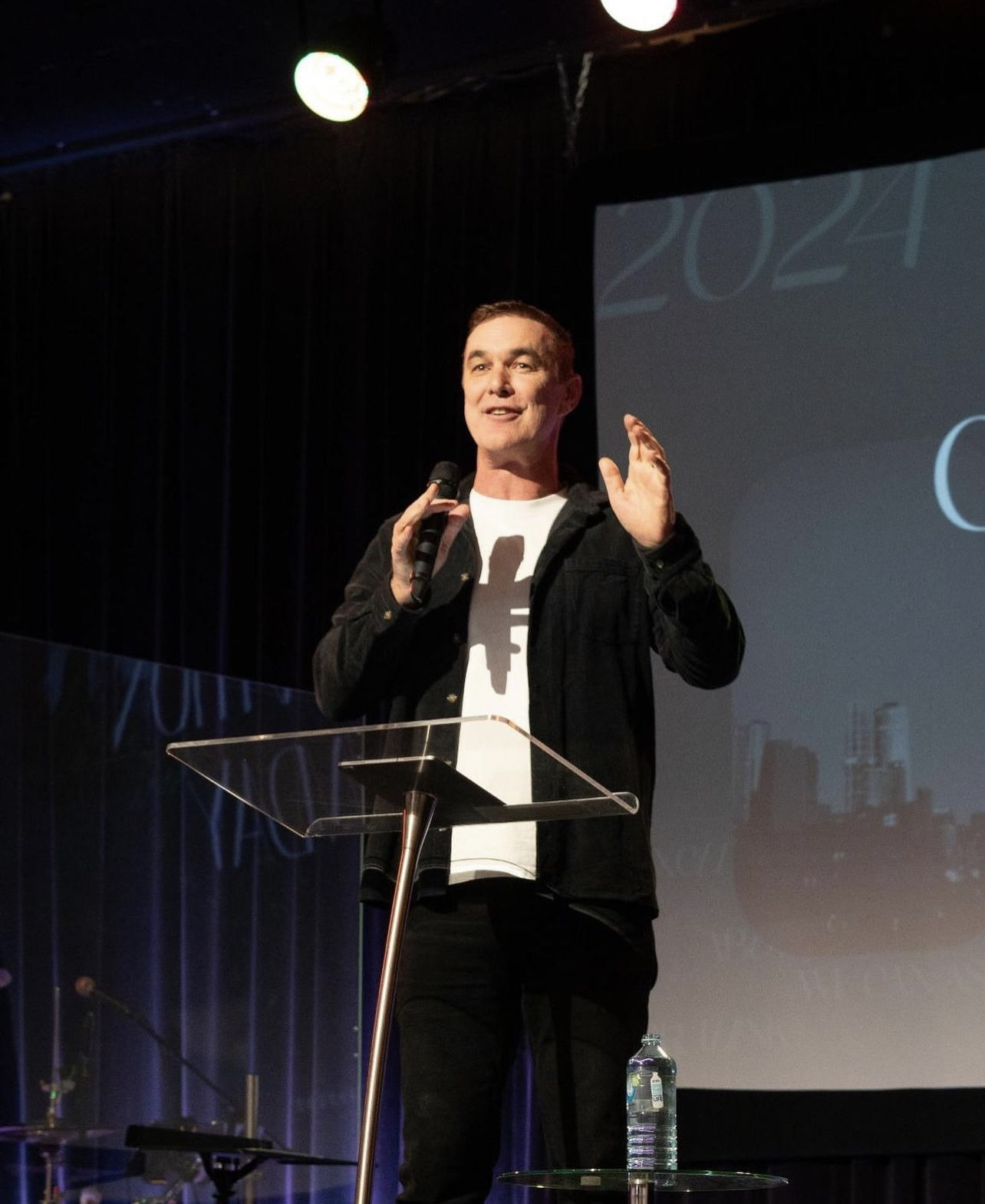
It’s worth asking why any of this matters. Why does the church need prophetic voices at all, rather than simply relying on preaching and teaching? Preaching tends to explain and apply what Scripture already says in a general way. Prophecy, at its best, applies God’s truth into a specific, present moment, for a specific person, church or situation, and remains very much needed when the church seeks timely direction and correction.
Prophecy, at its healthiest, brings encouragement, direction and correction that preaching alone doesn’t always reach. A congregation navigating a major decision, church leaders discerning direction, or an individual walking through a hard season can all be met by a timely, Spirit-led word that speaks directly into their situation. This kind of ministry can also support evangelistic outreach, as well as encouragement and correction within the church. Prophetic voices have also, at points in church history, spoken meaningfully into culture, naming injustice or calling the church back to God’s plan during seasons of drift or renewal.
Real-world church life offers plenty of scenarios where this plays out. A church weighing whether to plant a new campus; other leaders reading the circumstances carefully, praying, and waiting for God’s help before acting; or a community in need of encouragement during a season of revival. In each of these, a genuine prophetic voice, tested against Scripture and received within healthy accountability, can offer real clarity and hope while the church keeps moving forward.
Ultimately, the value of prophecy lies in its ability to point people back to truth. Where it does that faithfully, it strengthens the church, builds unity, and helps believers walk more closely with God. Where it drifts from Scripture or bypasses accountability, it becomes a risk rather than a gift. The difference comes down to whether the word submits itself to God’s Word, or tries to stand above it.
If this raises questions for you, that’s a good sign, not a problem. Take time to reflect on the prophetic voices in your own life or church. Pray, and ask God for discernment. Test what you hear, gently but seriously, against His Word, trusting that a God who speaks clearly through Scripture will not contradict Himself through any genuine prophetic word, even when the process is difficult and unfolds slightly over time rather than all at once.
Frequently Asked Questions
How do prophets guide us?
Prophets guide believers by declaring God’s truth in specific moments, offering correction, encouragement, or warning that point people back to Scripture and to a closer relationship with God. In The Church of Jesus Christ of Latter-day Saints, fifteen leaders are regarded as prophets, seers, and revelators who guide the Church together today, and members often point to Nelson and the need for unanimity among those fifteen, rather than treating revelation as a simple vote. This guidance is meant to complement, not replace, personal Bible reading, prayer and the wisdom of church community.
How does God use prophets to present His message to the church?
Throughout the Bible, God has spoken through prophets and other prophets-in-training among His people to communicate His purposes, using different methods such as dreams, impressions, and spoken warnings, whether through direct warnings, calls to repentance, or words of hope. Today, this often happens through recognised prophetic ministry within a local church, delivered through preaching, prayer ministry, or personal encouragement, and always weighed against Scripture rather than accepted automatically. Churches also stay alert in times of trouble by carefully discerning such messages before sharing or acting on them. In some traditions, signs and wonders may accompany ministry, but they do not remove the need to test the message itself.
What is the role of prophecy in the church?
Prophecy is one of the gifts of the Holy Spirit given to strengthen, equip, and help govern the church, alongside gifts like teaching, pastoring and evangelism, serving the whole body of members, brothers and sisters alike. Its role is to bring truth, encouragement and correction, helping believers grow in unity, maturity and a deeper walk with God, just as this was true years ago in the early church and remains true today.
How do the prophets acquire the guidance necessary to guide the people?
Biblical prophets received guidance through their relationship with God, shaped by prayer, Scripture, and spiritual sensitivity, with prayerful thought as they gradually came to know God’s direction, rather than receiving it all at once or through personal insight or ambition. Genuine prophetic guidance today follows the same pattern, rooted in Scripture, tested through accountability, and confirmed by a consistent, godly character over time, as leaders search the Scriptures and remain receptive even when clarity comes late; from the outside, this may seem strange, but its validity rests on scriptural faithfulness and accountable confirmation.