Why Some Churches Have Multiple Service Times
If you’ve ever scrolled through a church’s website and noticed they have a 9am and a 5pm service on a Sunday, you might have wondered, why? Is one better than the other? Are they the same? Do regulars go to both? And how on earth do you choose?
It’s a really common question, especially for people who are new to church, returning after a long time away, or weighing up which Sunday service to try first. The short answer is this. Most churches that offer multiple service times do so to make church more accessible. More opportunities to attend, more flexibility around family and work, and more space for newcomers to feel welcome.
Service time is one practical factor to consider when choosing a church, alongside teaching, worship, community, location and how easy it is to get involved. This article is here to help you make sense of the why, the how, and the what’s best for me when there are multiple Sunday services.
Why Do Churches Offer More Than One Service Time?
In simple terms, churches add a second (or third) service for a handful of practical reasons:
- Growth in attendance
- Limited seating or parking
- Family and children’s ministry needs
- Different work and study schedules
- Creating more space for newcomers
- Helping volunteers serve without missing out on church themselves
It’s not about being bigger for the sake of it. The aim is usually to make church more accessible and welcoming, not more confusing. A well-run multi-service model means more people can find a Sunday that genuinely works for them.
To Make Room for More People

When a church grows, the room can start to feel full long before every seat is technically occupied. This is something church leaders talk about a lot.
Some leaders use what is often called the 75-80% comfort capacity principle. The idea is that a room can feel full to newcomers before every seat is technically taken. If the only available seats are at the front, spread across different rows, hard to access, or separated from family and friends, visitors may feel uncomfortable even though the room isn’t at maximum capacity. Offering another service time can help create a more welcoming environment by giving people room to arrive, find a seat, settle children, worship comfortably and connect after the service.
It isn’t a strict scientific rule. It’s a widely used planning guideline that explains why a church might add another service before the room is actually packed out. The goal is space. Space for newcomers to walk in without feeling overwhelmed, space for families to sit together, and space for people to chat over coffee afterwards without feeling rushed.
To Support Different Weekly Schedules
Not everyone’s Sunday morning looks the same.
Families with little kids might be wrangling naps and nappies. Shift workers might have finished a Saturday night shift and need a slower start to Sunday. Students might be juggling assignments. Volunteers might be serving one service and attending another. People in hospitality, retail, healthcare, and tourism often work weekends, so a single Sunday service simply won’t suit everyone.
On the Sunshine Coast in particular, weekend schedules can vary hugely. Hospitality and tourism roles, weekend sport, family events, beach plans, surf comps, markets and community commitments all compete for Sunday time. Having 9am and 5pm options means people can choose the rhythm that helps them consistently show up.
Are Morning and Evening Church Services Usually the Same?
This varies from church to church, so the safest answer is “usually similar, but not identical.”
In many churches (including C3 Powerhouse Sunshine Coast), the core message, worship style, and overall service structure are very similar across the morning and evening services. The same preacher, the same songs, the same theme. The feel of the service can vary depending on the time of day, the mix of people in the room, and the ministries running alongside it.
If you’re unsure how a particular church handles this, check their website or just ask the welcome team. They’ll be happy to walk you through what to expect.
The Message May Be the Same, But the Atmosphere Can Feel Different
Morning services often feel a little more family-oriented, with kids’ ministry running alongside, families fresh for the day, and a coffee-and-conversation buzz afterwards.
Evening services tend to attract more young adults, shift workers, people coming with friends, and anyone whose morning was simply too full. The vibe can feel a little more relaxed, with the day winding down rather than just starting.
This isn’t a hard rule. It varies by church. But it’s worth knowing that both options can have slightly different energy, even when the message is the same.
How Multiple Service Times Help Families
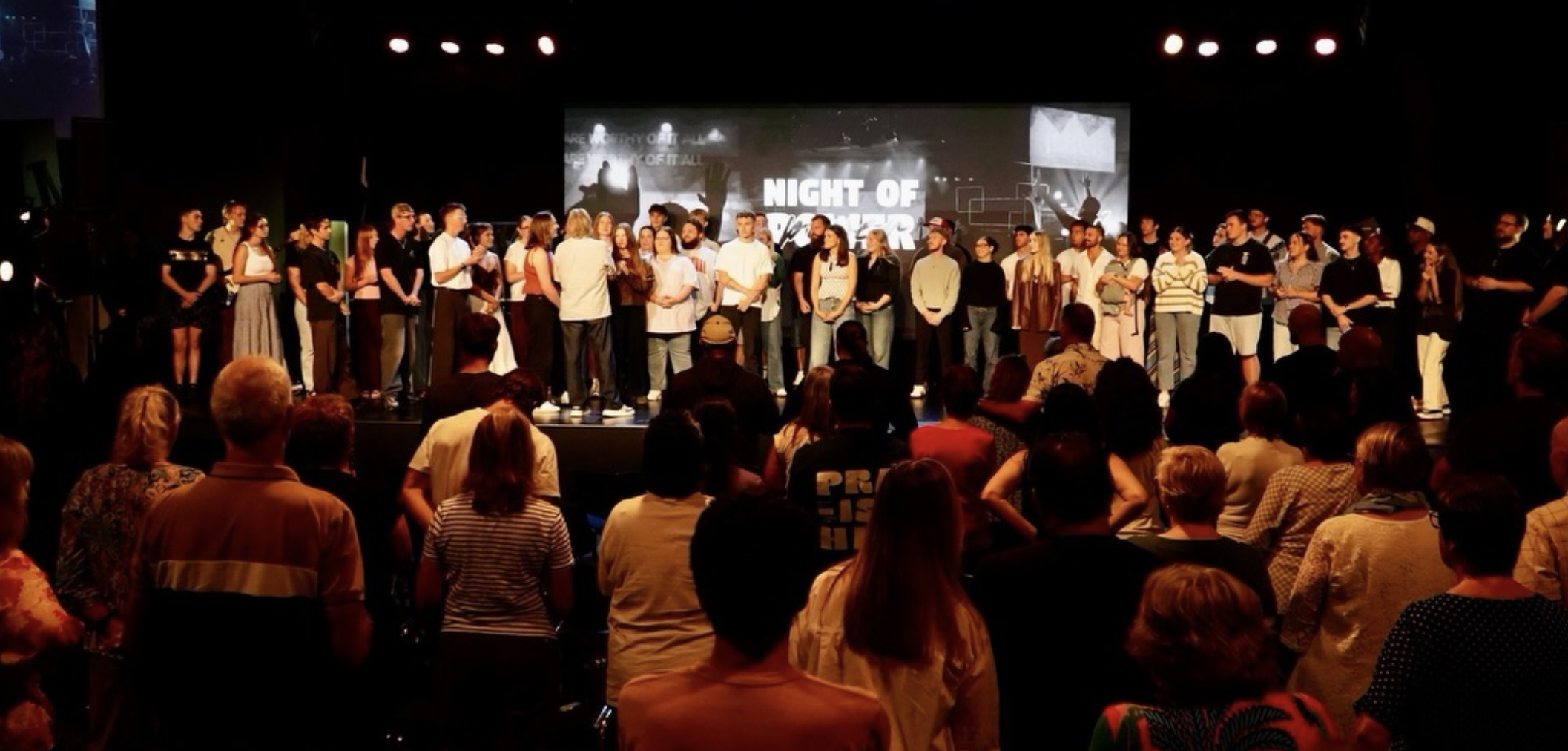
Families often need a bit of practical clarity before choosing a service to visit. Sunday timing can affect naps, feeding routines, kids’ programs, sports, travel and family commitments. The wrong service time can derail the whole day. The right one slots in beautifully.
Before choosing a service to visit, it’s worth checking whether children’s programs, crèche, parent rooms or youth options are available at that time. A church that’s genuinely family-friendly should make it easier for parents and children to actually participate, not just turn up.
Questions Families Should Ask Before Choosing a Service
- Is a children’s ministry available at this service?
- Is there a crèche or parent room?
- Are youth or junior high programs available?
- Is parking easy with children?
- Is there time after the service to meet people?
- Which service time will be easiest to attend consistently?
That last one is the most important. Consistency matters more than perfection.
How Multiple Service Times Help New Visitors
If you’ve never set foot in a church, or it’s been a long time, you’re probably wondering when to come, where to sit, what to wear and what to expect. That’s normal, and it’s exactly why multiple service times exist. They give visitors flexibility.
A less rushed service time can make a huge difference for a first-time visit. Pick a service where you have enough space before and after to arrive calmly, settle in, and stick around afterwards to meet a few people.
One practical tip: arrive 10 to 15 minutes early on your first visit. It gives you time to park, find the welcome team, grab a coffee, and get your bearings before the service starts.
Choose the Service Time That Helps You Be Present
The best service time isn’t necessarily the most popular one. It’s the one that helps you engage, listen, worship and connect. If you’re nervous about visiting, choose a time that lets you arrive early and leave room for conversation afterwards. That single change can make a first visit feel a whole lot easier.
How to Choose the Right Church Service Time
Here’s a simple way to think about it.
A Morning Service May Suit You If…
- You prefer starting the day with church
- You have children and want to keep the afternoon free
- You value coffee, conversation or community time afterwards
- You prefer a more family-focused rhythm
An Evening Service May Suit You If…
- You work, study or have family commitments in the morning
- You prefer a slower start to Sunday
- You’re a young adult or someone who connects better later in the day
- You want church to become a meaningful close to the weekend
The Best Service Time Is the One You Can Attend Consistently
Consistency matters more than choosing the “perfect” time. A church becomes much easier to connect with when you attend regularly, meet people, and become part of the community. Service time should support long-term belonging, not just one visit. If you can only realistically commit to one service over the other, that’s the right one. Start there.
What Else Should You Consider Besides Service Times?
Service times are important, but they’re only one part of choosing a church.
When you’re looking at a church, it’s also worth thinking about:
- Beliefs and theology
- Bible-based teaching
- Worship style
- Community and fellowship
- Children’s and youth ministries
- Opportunities to serve
- Location and accessibility
- Whether you feel welcomed
For a deeper dive on this, have a read of our guide on what to consider when choosing a church. Service time gets you in the door. Everything else is what helps you stay.
Multiple Services at a Sunshine Coast Church

At C3 Powerhouse Sunshine Coast, we run two Sunday services. 9am and 5pm, both at our Warana location.
Having both options means locals can choose a time that fits around family, work, study, sport and weekend commitments. Kids and youth programs, a crèche, and parent rooms are available, and for those who can’t make it in person that week, services are also streamed online.
If you’re planning a first visit, swing by a few minutes early. There’ll be a friendly team at the door, a free coffee waiting, and zero pressure to know exactly what you’re doing.
Choose a Time, Then Come and See
Multiple service times exist for a really simple reason. To make church more accessible, more flexible, and easier for more people to be part of a community.
You don’t need to have everything figured out before you visit. Just pick the service time that fits your schedule and stage of life, and come and see. If you’d like to plan a visit, you can find everything you need on our website.
We’d love to meet you!