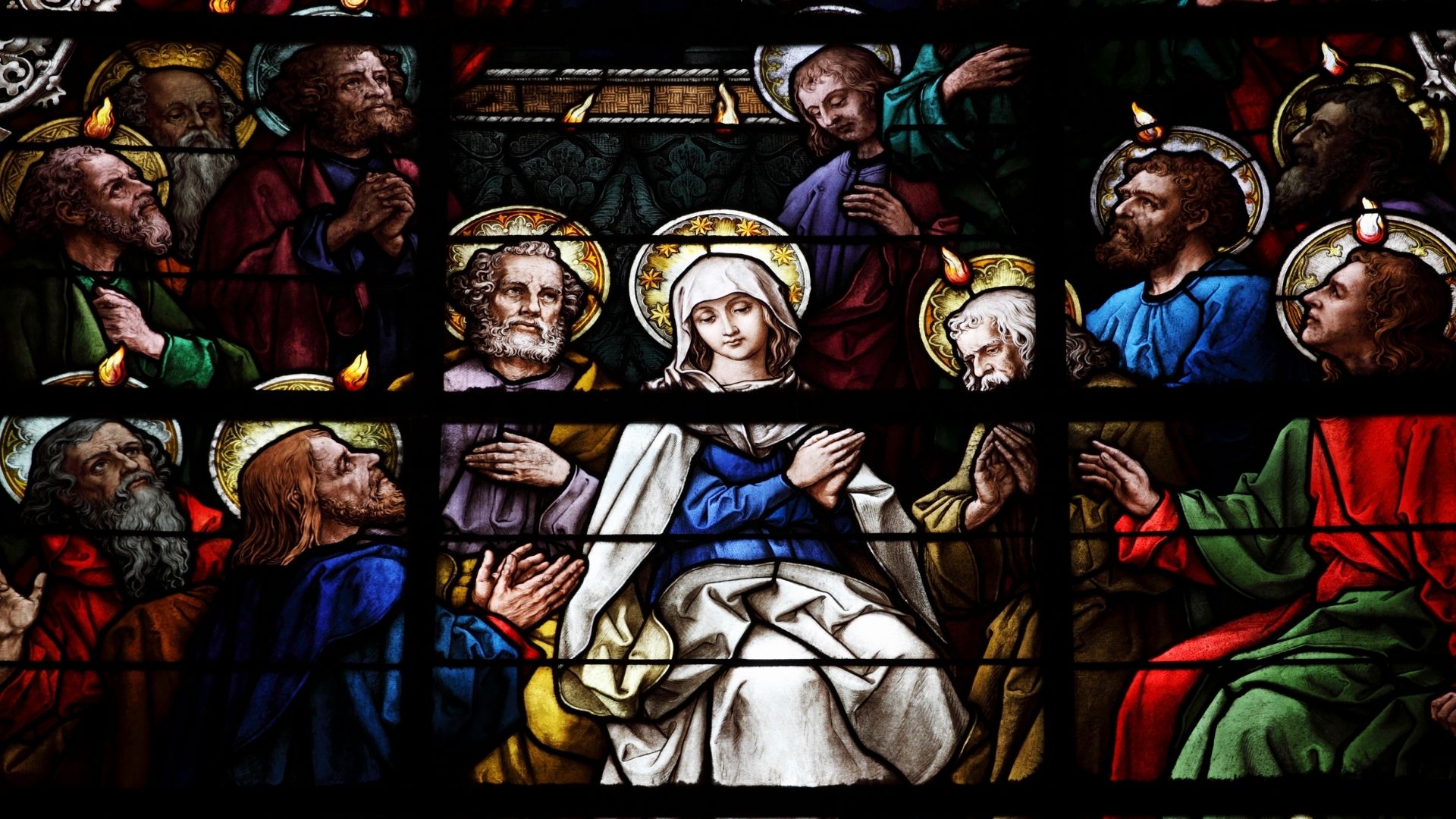
A Brief History of Pentecostalism From Origins to Global Growth
Pentecostalism is one of the fastest-growing expressions of Christianity in the world today. From its humble beginnings in the early twentieth century to a global movement of more than 600 million believers, the history of Pentecostalism is a story of revival, diversity, and remarkable growth.
At its heart, Pentecostalism is a Christian movement that emphasises a personal experience of the Holy Spirit, the ongoing activity of spiritual gifts, and a vibrant, expressive style of worship. While Pentecostal beliefs are grounded in the wider Christian faith, the movement is distinct in its emphasis on Spirit baptism, divine healing, and the active presence of God in everyday life.
Understanding Pentecostal history matters today because the movement has reshaped global Christianity in significant ways. This blog walks through the origins of Pentecostalism, the major moments that shaped its growth, and the global influence it continues to have in the twenty-first century.
Origins and Religious Context
The late nineteenth and early twentieth-century American religious landscape was a fertile ground for revival. The country was experiencing rapid social change, and many Christians were hungry for a deeper experience of God beyond what traditional churches were offering.
A key influence on early Pentecostalism was the Wesleyan Holiness movement, drawn from the teachings of John Wesley and his ideas around entire sanctification and the pursuit of a holy life. The Holiness movement emphasised a second work of grace beyond conversion, where believers could experience deeper spiritual transformation.
In 1901, a Bible school in Topeka, Kansas, led by Charles Fox Parham, became one of the first significant moments in Pentecostal history. Parham, a former Methodist Episcopal Church minister, began preaching that baptism in the Holy Spirit was accompanied by speaking in tongues. When students at his Bethel Bible College reportedly experienced this for themselves, the theological foundations of the modern Pentecostal movement began to take shape.
The Azusa Street Revival
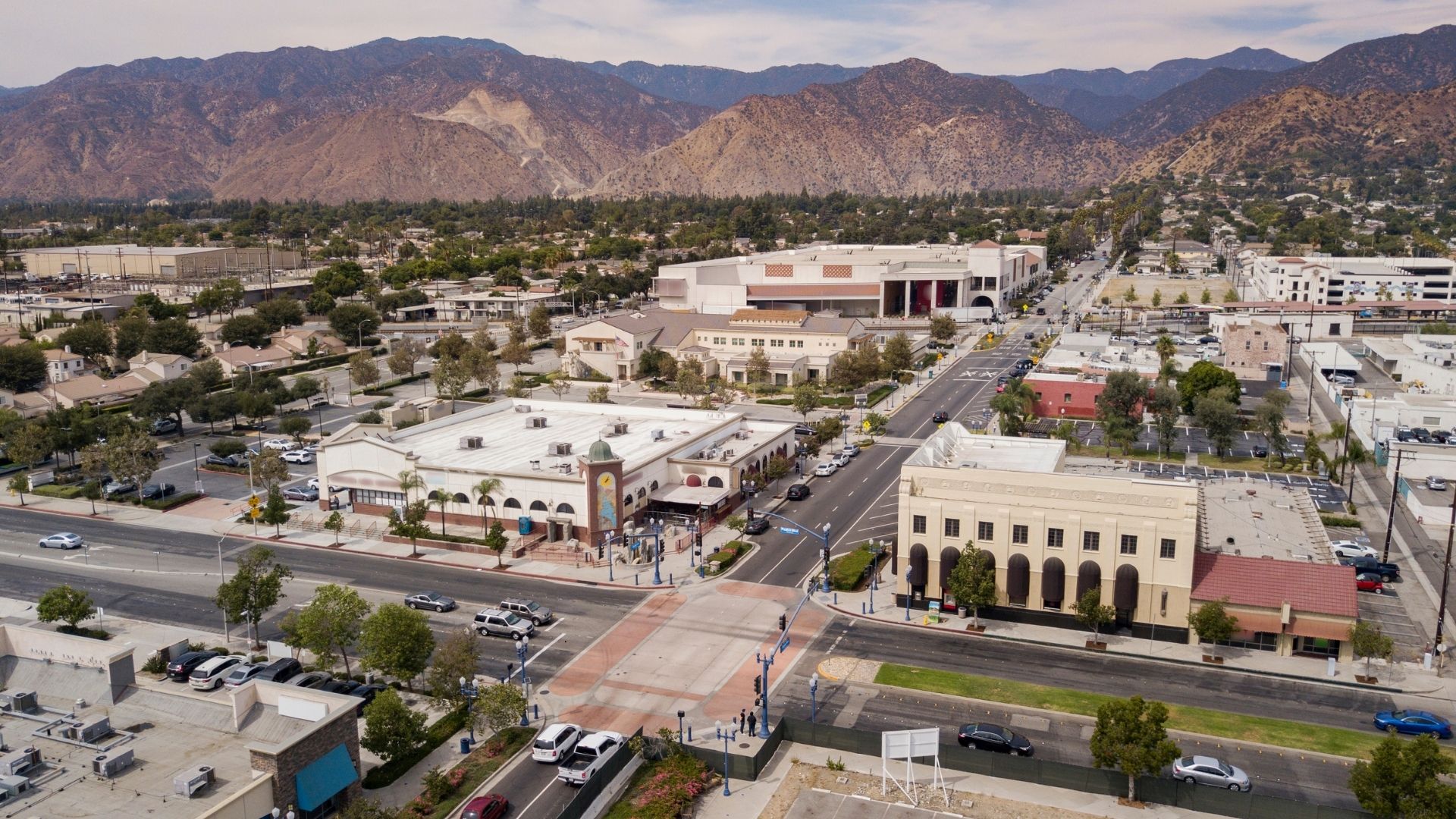
If Topeka lit the spark, the Azusa Street Revival turned it into a flame. The revival began in 1906 at 312 Azusa Street in Los Angeles, led by William J. Seymour, an African American preacher who had studied under Parham.
Seymour’s theological journey had been shaped by years of seeking, study, and personal hunger for revival. When he arrived in Los Angeles, the small gatherings he led quickly exploded into something far bigger. From 1906 to 1909, the Azusa Street Mission became the centre of a revival marked by speaking in tongues, divine healing, dramatic spiritual manifestations, and continuous prayer meetings that ran day and night.
What made Azusa Street truly revolutionary was its diversity. At a time of deep racial segregation in America, the revival brought together people across race, gender, and class. African American, white, Hispanic, and Asian believers worshipped together, and women were welcomed into leadership. This was unprecedented in early twentieth-century America.
Media coverage of the revival, while often sceptical, spread word of what was happening across the country. People travelled from across America (and eventually around the world) to witness it for themselves, taking the Pentecostal message back to their own communities.
Core Pentecostal Beliefs and Practices
Pentecostal teaching is shaped by what is often called the Fourfold or Fivefold Gospel. This emphasises Jesus Christ as Saviour, Sanctifier, Healer, and Coming King, with many Pentecostals also including Baptiser in the Holy Spirit as a fifth pillar.
Speaking in tongues, or glossolalia, is held by classical Pentecostals as the initial evidence of baptism in the Holy Spirit. This belief sets Pentecostal doctrine apart from many other Christian denominations.
Divine healing is another core practice. Pentecostals believe that physical healing is part of the gospel and that God still heals today through prayer and faith.
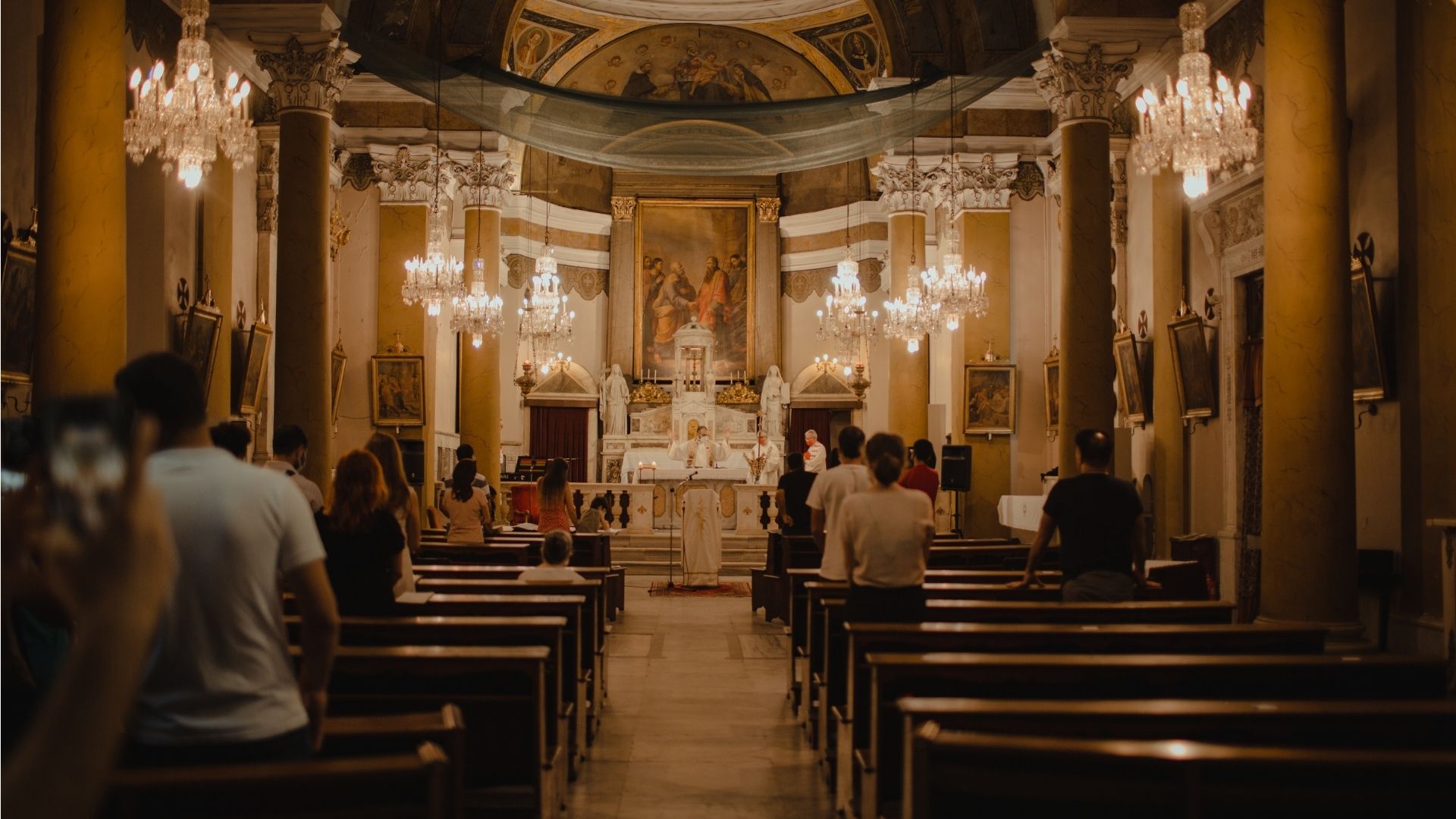
Pentecostal worship is known for being lively and spontaneous. Music plays a central role, alongside passionate prayer, freedom of expression, and openness to the moving of the Holy Spirit during a church service.
The movement also makes a clear distinction between baptism in water (a public declaration of faith) and baptism in the Holy Spirit (a separate spiritual experience tied to power for Christian living and ministry).
Early Denominational Formation
As Pentecostalism grew, it began to organise into denominations. The Assemblies of God was founded in 1914 and has become one of the largest Pentecostal denominations in the world. The Church of God in Christ, founded by Charles Mason, also emerged as a major force, particularly within African American Pentecostalism.
Early Pentecostal denominations faced organisational challenges and theological disputes. One of the most significant divisions was between Trinitarian Pentecostals (who hold the traditional Christian doctrine of the Trinity) and Oneness Pentecostals (who teach a non-Trinitarian view of God). This split led to the formation of the United Pentecostal Church and other Oneness groups.
Despite these tensions, Pentecostalism spread quickly across North America, and missionaries began carrying the message into Europe and beyond within just a few years of the Azusa Street Revival.
Global Expansion and Cultural Impact
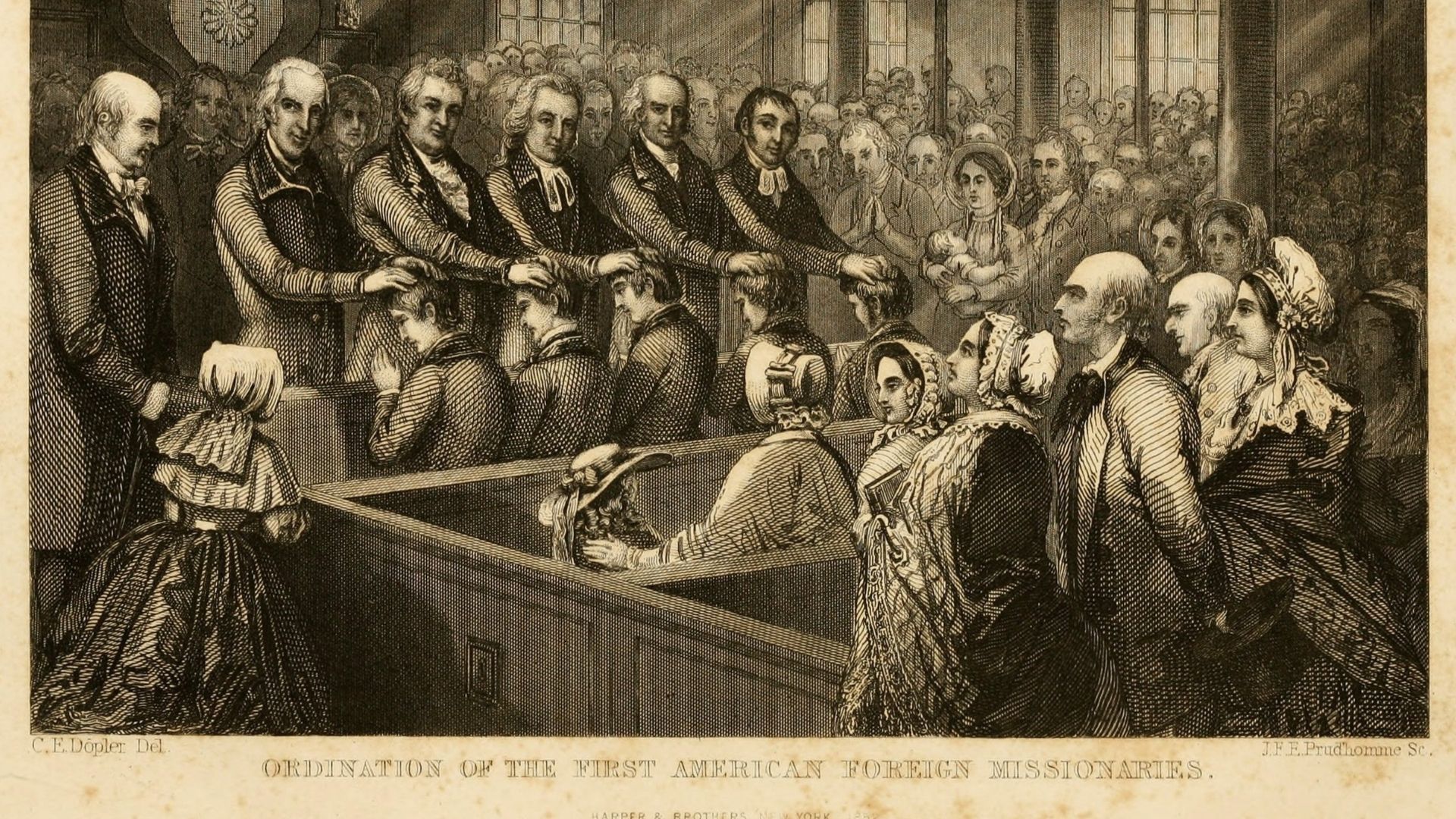
Pentecostal missionaries played a key role in the global expansion of the movement. From the earliest days, Pentecostals believed they were called to take the gospel to the ends of the earth, and that conviction shaped their missionary strategies.
Brazil saw explosive Pentecostal growth in the twentieth century, with indigenous adaptations producing some of the largest Pentecostal denominations in the world. Sub-Saharan Africa also became a major centre of Pentecostalism, with countries like Nigeria and Ghana developing strong Pentecostal denominations and producing significant theological voices.
In the Asia-Pacific region, South Korea became home to some of the largest Pentecostal churches in the world, while the Philippines and other nations developed their own contextual expressions of Pentecostal theology. Australian Pentecostalism also took root, with movements that would later shape the global charismatic Christian landscape.
Pentecostalism’s impact on local cultures has been significant. In many countries, Pentecostal and charismatic movements have shaped music, language, education, and even political life.
The Charismatic Movement (1960s-1980s)
While classical Pentecostalism developed largely within its own denominations, the 1960s brought a new wave of Spirit-filled experience into mainline Protestant denominations and the Roman Catholic Church. This became known as the Charismatic Movement, or Neo-Pentecostalism.
The Catholic Charismatic Renewal, beginning in the late 1960s, saw millions of Catholics embrace Pentecostal-style worship and spiritual gifts while remaining within the Roman Catholic Church. Mainline Protestant denominations also saw renewal as believers in Lutheran, Anglican, Methodist, and Presbyterian churches embraced charismatic experiences.
Television evangelism and media expansion played a significant role during this era. Figures like Pat Robertson, Jim Bakker, and Jimmy Swaggart became household names through Christian broadcasting, bringing Pentecostal and charismatic Christianity into millions of homes.
Prosperity Theology and Controversies
The Word of Faith movement emerged in the mid-twentieth century, drawing on Pentecostal theology while developing its own distinct emphases. At the centre of this stream was prosperity theology, sometimes called the health and wealth gospel, which teaches that financial blessing and physical health are the will of God for every believer.
The rise of televangelists and megachurches in the latter half of the twentieth century brought prosperity teaching to a global audience. While many found it inspiring, it also drew strong criticism from within and outside Pentecostalism.
Critics raised concerns about theological balance, financial accountability, and the spiritual implications of prosperity teaching. Denominational responses have varied, with many classical Pentecostal denominations distancing themselves from the more extreme expressions while still affirming core Pentecostal beliefs.
Pentecostalism vs. Other Christian Denominations
Pentecostalism is distinct from other Christian traditions in several ways. Compared with Baptist, Methodist, and Lutheran traditions, Pentecostals place a much stronger emphasis on the active gifts of the Spirit, expressive worship, and personal spiritual experience.
Pentecostalism is generally considered part of the wider evangelical Christianity movement, though it differs from non-charismatic evangelicalism in its emphasis on spiritual gifts. Some Pentecostals overlap with fundamentalist movements in their high view of scripture, but the worship style and theological emphases are often quite different.
Pentecostal-Catholic relations have improved significantly in recent decades through ecumenical dialogue, particularly following the Catholic Charismatic Renewal. While theological differences remain, there is growing mutual respect across many areas of shared Christian belief.
What sets Pentecostal churches apart most clearly is their distinctive worship, governance structures, and theological emphases around the Holy Spirit, divine healing, and spiritual gifts.
Contemporary Pentecostalism
Today, Pentecostalism is one of the largest and fastest-growing branches of global Christianity. Current estimates place the number of Pentecostal and charismatic believers at more than 600 million worldwide.
The fastest-growing regions are Africa, Asia, and Latin America, where Pentecostalism continues to expand at remarkable rates. Urban Pentecostalism often takes the form of large megachurches with global influence, while rural Pentecostalism remains rooted in small, local communities.
Pentecostal political influence and social engagement have grown significantly, particularly in countries like Brazil, the United States, Nigeria, and parts of Asia. Many Pentecostal churches are also actively involved in community development, education, and social justice initiatives.
The digital age has reshaped how Pentecostal churches operate, with online ministry, livestreaming, and social media now playing a central role in church life and outreach.
Challenges and Future Directions
Like any movement, Pentecostalism faces ongoing challenges. Internal theological debates continue around issues like the prosperity gospel, the role of women in leadership, and how to engage with contemporary culture.
Generational change is also shaping the future of Pentecostal worship. Younger generations are reimagining what Pentecostal expression looks like, often blending traditional Pentecostal beliefs with new styles of music, communication, and community life.
Social justice engagement, community development, and interfaith relations are increasingly part of the conversation as Pentecostalism continues to find its place within global Christianity. The dialogue between Pentecostal and charismatic movements and traditional churches is also producing new opportunities for unity and shared mission.
The Future is Bright

The history of Pentecostalism is a remarkable one. From a small Bible school in Topeka and a humble mission on Azusa Street to a global movement of hundreds of millions, Pentecostalism has shaped the trajectory of modern Christianity in profound ways.
Its emphasis on the Holy Spirit, expressive worship, and personal encounter with God continues to draw new believers across cultures and continents. As Pentecostalism enters its second century, its influence shows no signs of slowing.
For anyone seeking to understand global Christianity today or looking to join a local church, the story of Pentecostalism is one worth knowing.