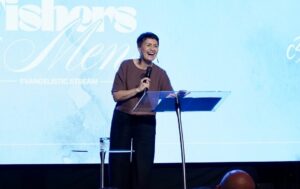
How Each Role in the Church Works Together for Kingdom Impact
When Paul described the church, he didn’t reach for an organisational chart; he reached for a body. In 1 Corinthians 12, he writes about the church as one body made up of many parts, each playing a different role, each essential. It’s a powerful picture, and one that reframes how we think about ministry, gifting, and what it actually looks like to make a Kingdom impact together.
Every role in the church matters. The visible ones and the hidden ones. The platform ones and the behind-the-scenes ones. Understanding how each role works together is one of the keys to building a healthy church and stepping fully into God’s plan.
Understanding the Church as a Body
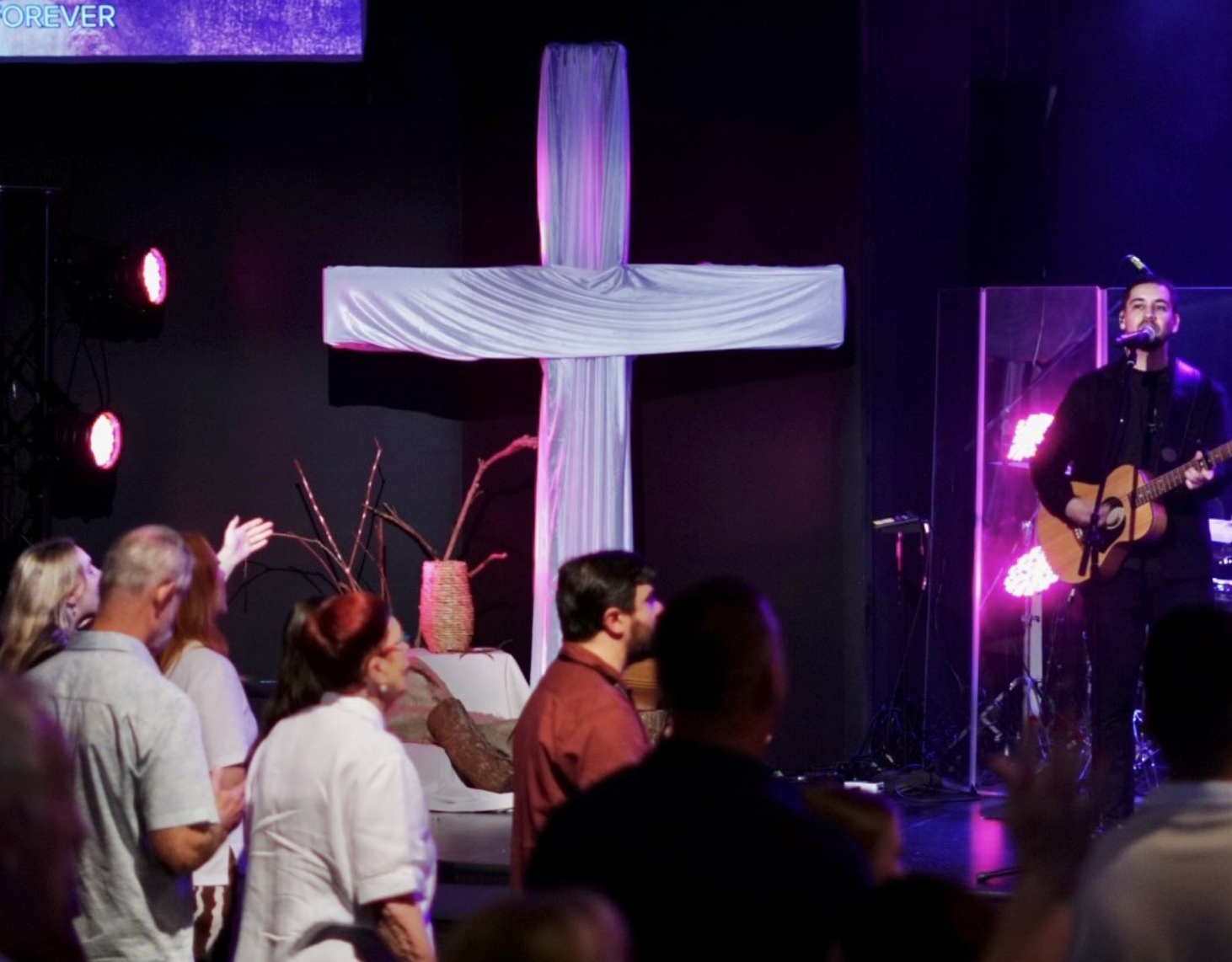
The biblical foundation for this is clear. In 1 Corinthians 12, Paul describes the church as one body with many parts. The eye can’t say to the hand, “I don’t need you.” The head can’t say to the feet, “I don’t need you.” Every part has a purpose, and every part is essential.
Ephesians 4 builds on this, calling the church to live as one body, one Spirit, one hope, one Lord, one faith, one baptism, one God. It’s a vision of unity that goes beyond surface-level agreement. It’s about a shared mission, a shared purpose, and a shared identity in Jesus Christ.
The metaphor of the body matters because it reminds us that no part of the church functions well in isolation. When one part is disconnected, the whole body feels it. When comparison creeps in, unity weakens. The healthiest churches are the ones where every person knows their role, values others’ roles, and stays committed to the bigger picture.
Key Roles Within the Church
Pastors and Teachers
Pastors and teachers are responsible for shepherding and teaching the church. They guide God’s people through different seasons, care for the congregation, and ground believers in the truth of scripture. Their role is foundational to spiritual health, helping believers grow in maturity, faith, and understanding of the gospel.
Worship Team
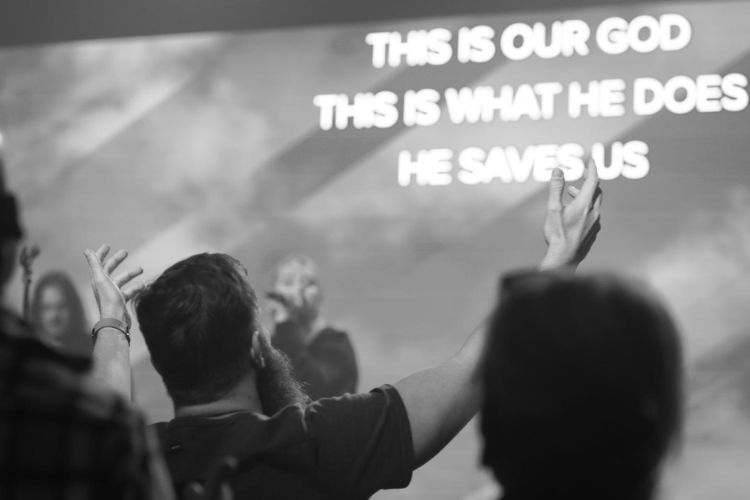
The worship team plays a vital role in leading others into God’s presence. Through music, song, and atmosphere, they create space for the church to encounter God, lift their voices, and refocus their hearts. Worship is more than just words and melodies. It’s a powerful expression of faith that prepares hearts to receive the word and respond to the Holy Spirit.
Hospitality and Welcome Teams
The hospitality and welcome teams shape the church’s first impression. A warm smile at the door, a friendly conversation in the foyer, a freshly made coffee. These small moments often make the biggest difference. For first-time visitors, the welcome team can be the reason someone feels safe enough to come back. Their role is essential to creating a culture where people feel seen and valued.
Children’s and Youth Ministry Workers
Children’s and youth ministry workers are investing in the next generation. They teach kids and young people about Jesus, model what faith looks like, and create environments where young hearts can grow. The seeds planted in childhood and youth often shape a lifetime of faith. This is some of the most significant work happening in any local church.
Administration and Support Staff
Administration and support staff keep the mission running smoothly behind the scenes. They manage finances, schedules, communications, logistics, and the countless details that make Sunday services possible. While their role isn’t always visible, it’s deeply important. Without strong administration, the wider work of the church can’t move forward.
Volunteers and Service Teams
Volunteers and service teams are the backbone of the local church. From setting up chairs to running production, from car park ministry to morning tea, these are the people who make church happen week after week. Their faithful service empowers the church to function day to day, and their willingness to serve reflects the heart of Jesus.
The Power of Unity in Purpose

When every role in the church works together, something powerful happens. Alignment creates effectiveness. When the worship team, the welcome team, the kids team, and the pastors are all working toward the same vision, the impact multiplies.
Healthy churches thrive on unity in purpose. It’s not about everyone doing the same thing. It’s about everyone doing their thing in step with each other. Jesus prayed for this kind of unity in John 17, asking that His followers would be one, just as He and the Father are one. That unity is part of how the world sees and believes.
Throughout church history and in the world today, the churches that have made the greatest Kingdom impact are those where unity, humility, and shared mission have taken priority over selfish ambition and vain conceit. When believers join forces and stay committed to God’s work, much fruit follows.
Discovering and Walking in Your Role
So, how do you find your role? Scripture gives helpful direction here. Romans 12 and 1 Peter 4 both address spiritual gifts and how God has uniquely wired each believer for service. Every Christian has been given gifts, and those gifts are meant to be used.
Practical steps to discover and step into your role include:
- Talk to a leader. Pastors and team leaders often see gifts in others before those gifts are obvious to the person themselves. A conversation with a trusted leader is one of the best starting points.
- Take a spiritual gifts test. While not the final word, these tools can help you reflect on how God has wired you and where you might naturally serve well.
- Try serving. Calling often becomes clear in motion. Try different areas of ministry. Pay attention to what feels life-giving, where you bear fruit, and where others affirm your gift.
If you’re part of C3 Powerhouse Sunshine Coast, the team would love to help you take the next step and find out more about getting involved.
Ready to Activate Your Gifting?
Every believer has a role to play, and together we build the Kingdom. There are no spectators in the body of Christ. Whether your role is on stage, behind the scenes, or somewhere in between, your contribution matters.
The church is at its best when everyone steps in. When pastors shepherd, teachers teach, worship leaders lead, welcome teams welcome, kids workers disciple the next generation, admin teams keep things running, and volunteers serve faithfully, the whole body comes alive.
The invitation is simple. Step into your role. Get involved. Use the gifts God has placed in you for His work. Kingdom impact happens when each part does its part, and when the body of Christ moves together with one heart, one Spirit, and one shared mission.
FAQ’s
How does the church do the work of the kingdom?
The church does the work of the Kingdom by making disciples, preaching the gospel, serving local communities, and building up believers in faith and maturity. Every role within the church contributes to this work, from pastors and teachers to volunteers and support staff. When believers walk in their gifts together, the Kingdom of God is advanced.
How do churches work together?
Churches work together when they share a common vision, support one another, and join forces around the gospel. Across denominations and movements, healthy churches collaborate through prayer, mission, church planting, and partnership. Unity between churches reflects the heart of Jesus and amplifies Kingdom impact.
What are the 6 roles of the church?
The six commonly recognised roles of the church are worship, fellowship, discipleship, ministry, evangelism, and prayer. Together, these expressions form the foundation of healthy church life. Different churches may emphasise these in different ways, but each plays a part in helping believers grow, and the gospel goes.